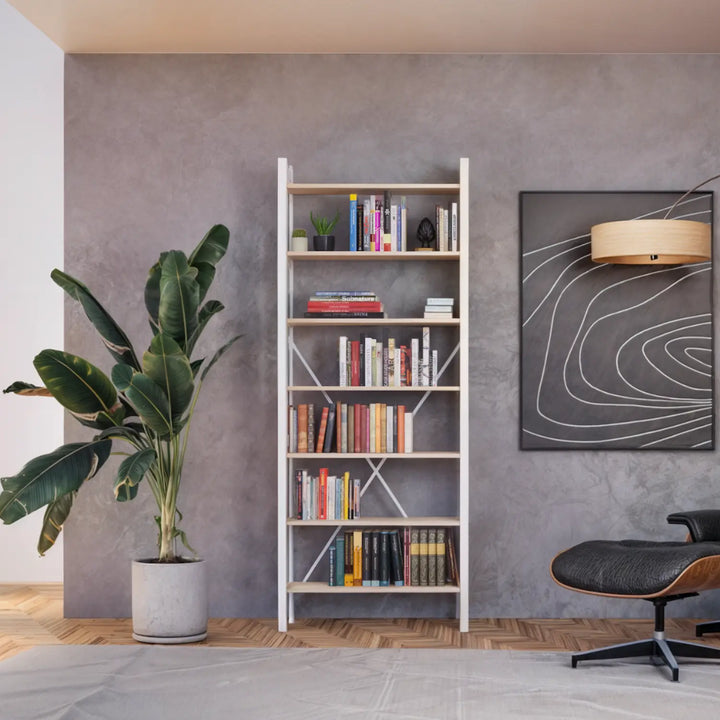
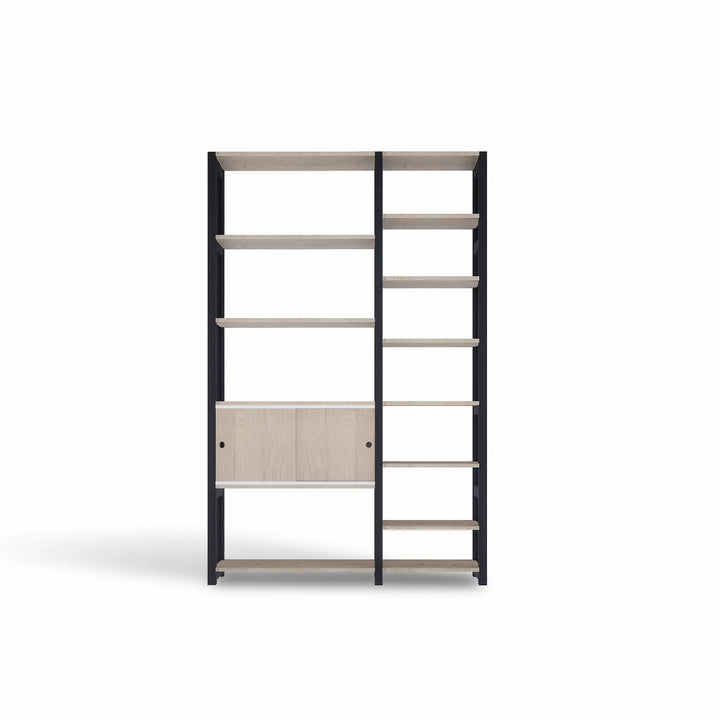
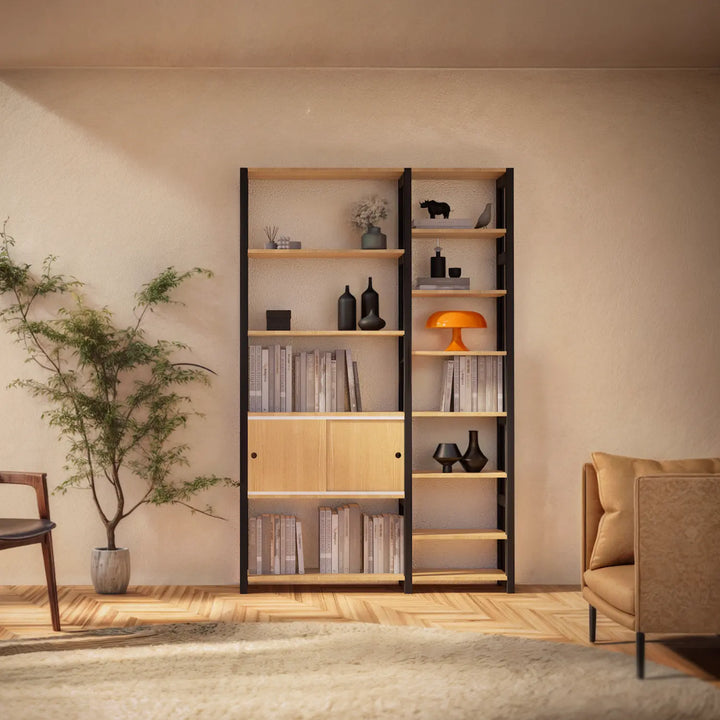
Inexpensive furniture and accessories may seem appealing at first, but remember that price usually reflects quality. Low-priced products often use less durable materials. Less time and attention is also usually invested in their production. All of this is reflected in the product's lifespan, meaning you'll need to replace it sooner. By investing in high-quality products, you'll save money in the long run and reduce waste.
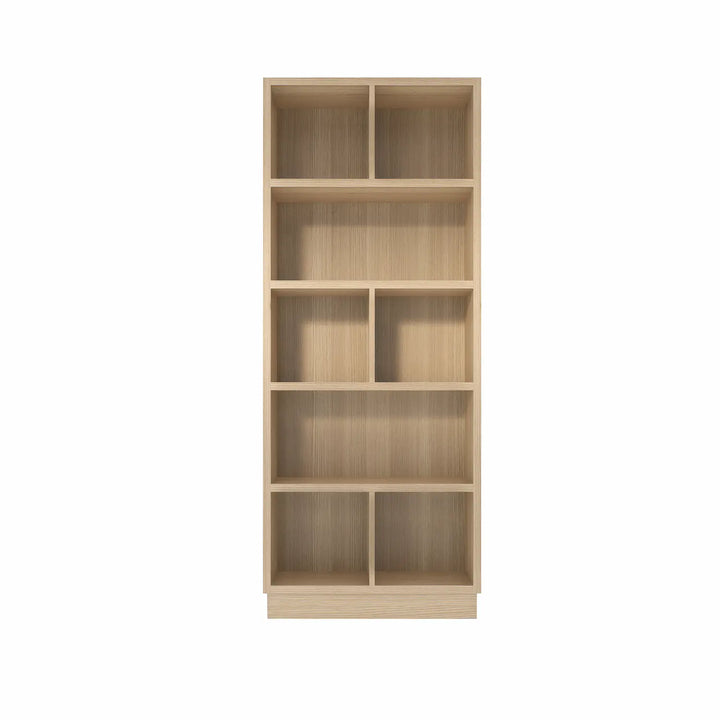
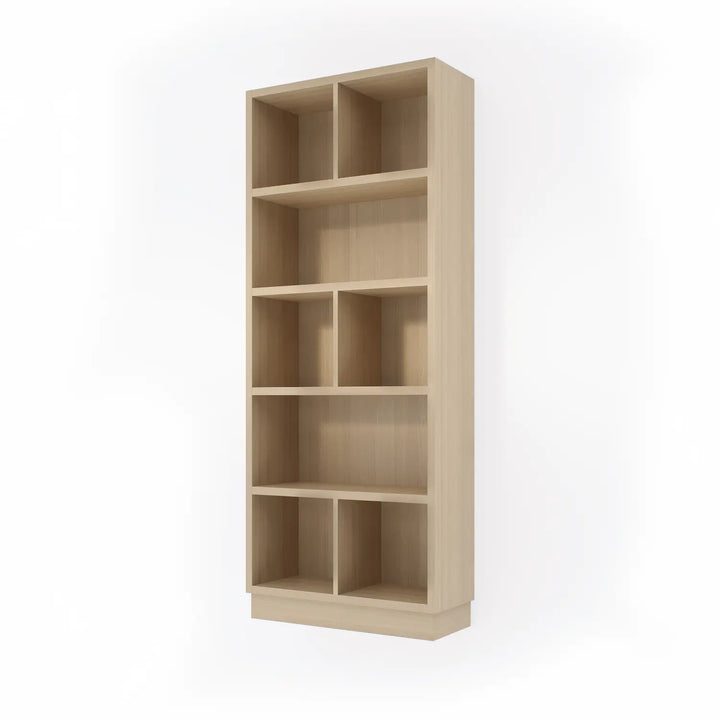
So, are you hesitant to buy that expensive, but handcrafted sofa made from sustainable, recycled materials? Then consider the return on your investment and how long it will last. Similarly, you might pay a bit more for a durable solid wood cabinet instead of cheap particleboard. But if your cabinet will last for generations, the choice is easy. Still not convinced? Then Lundia Original also offers a lifetime warranty on your cabinet.
5. Reuse, repair, recycle and upcycle
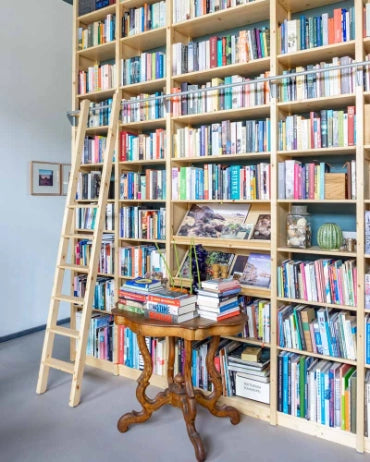
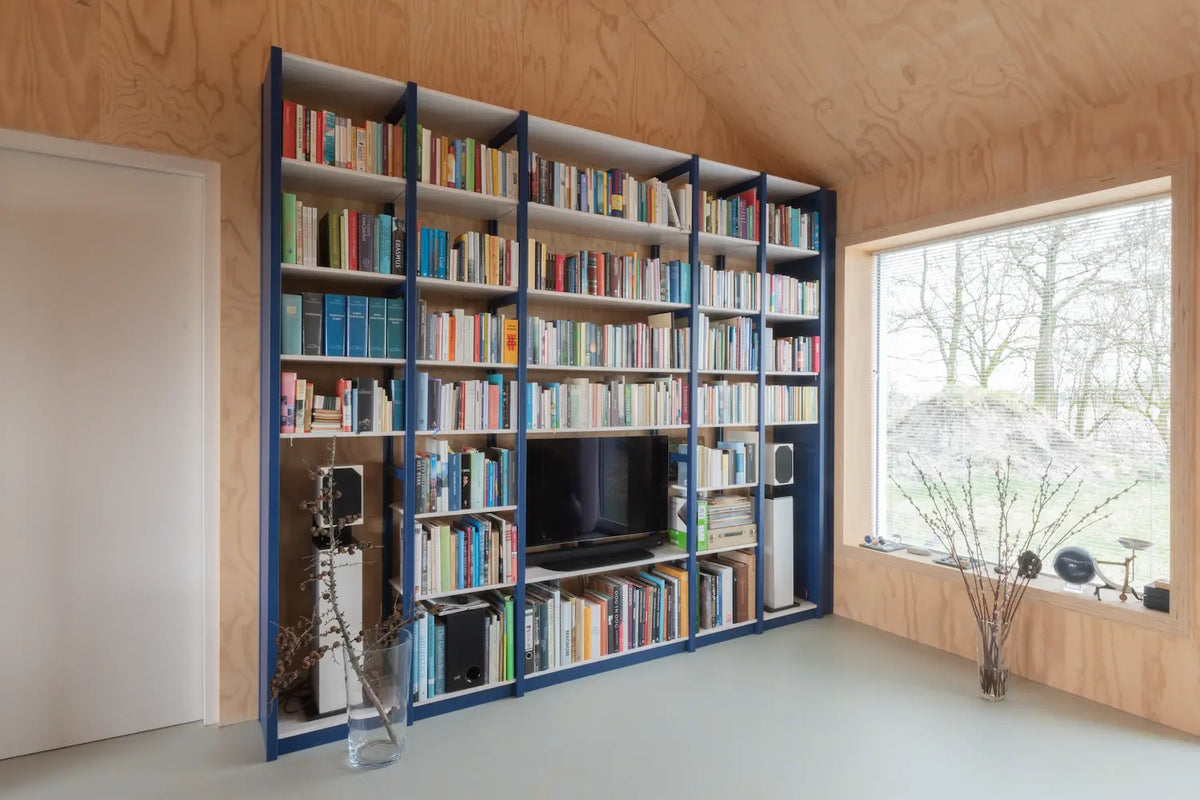
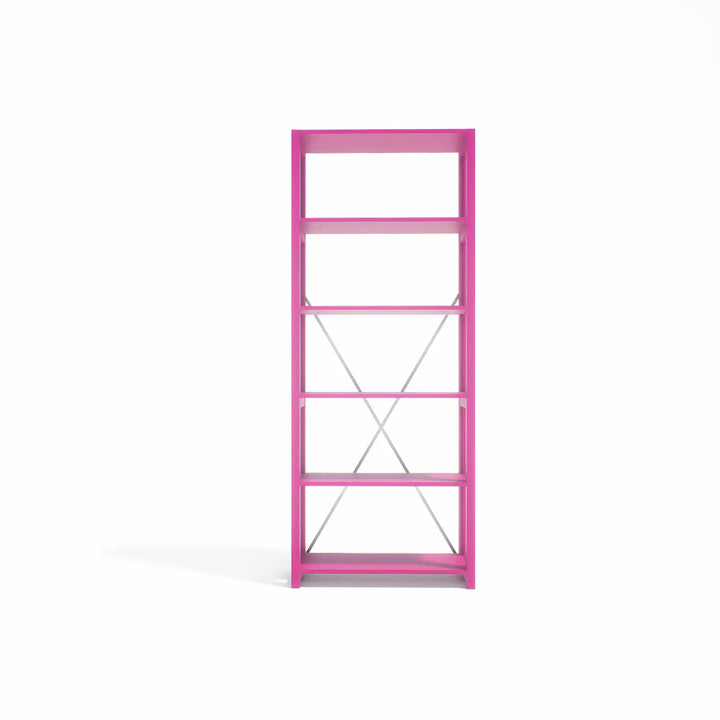
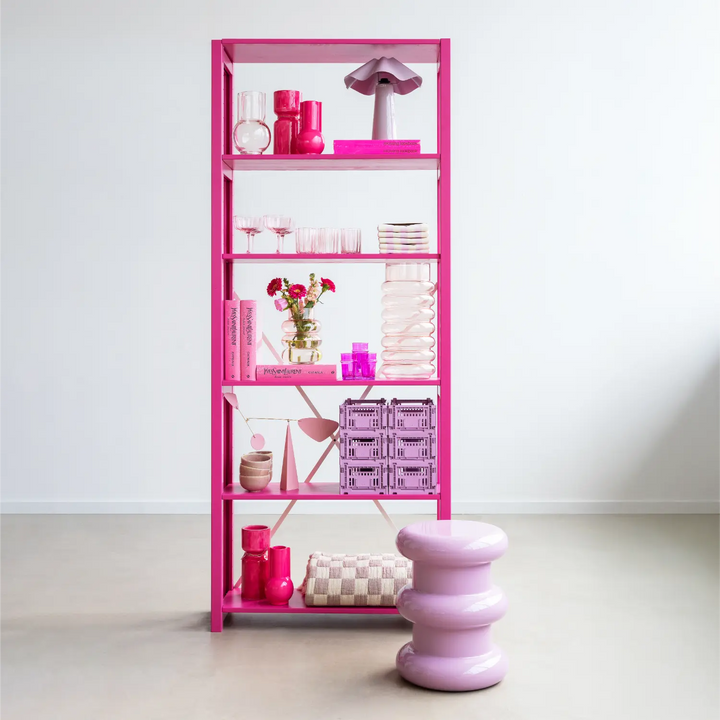
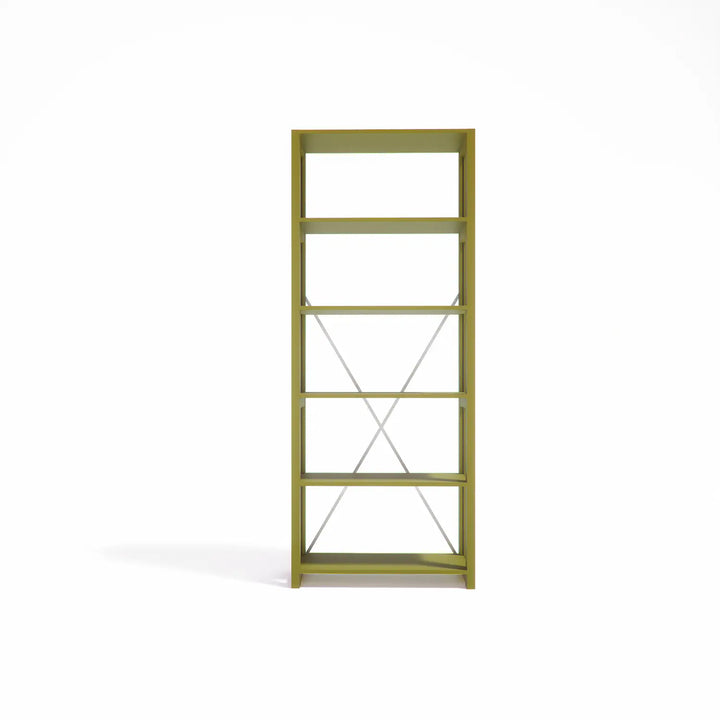
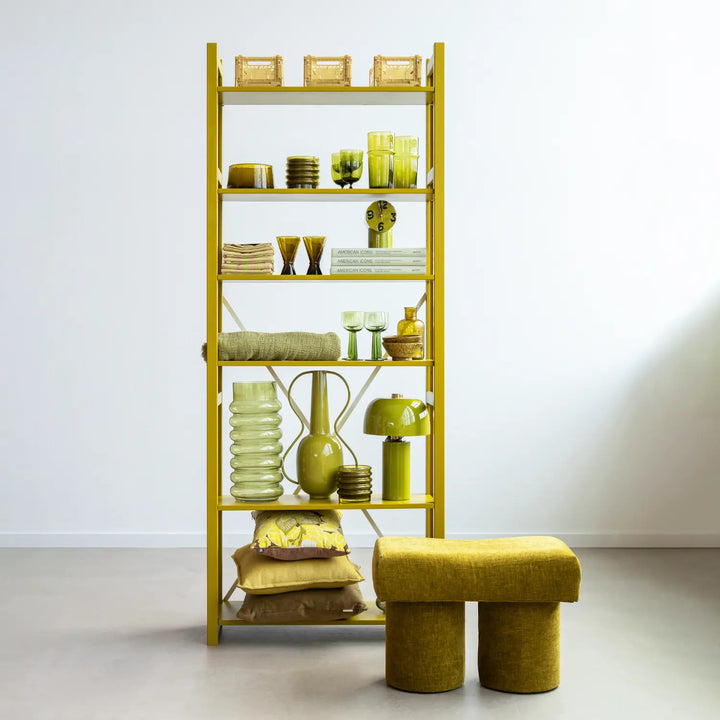
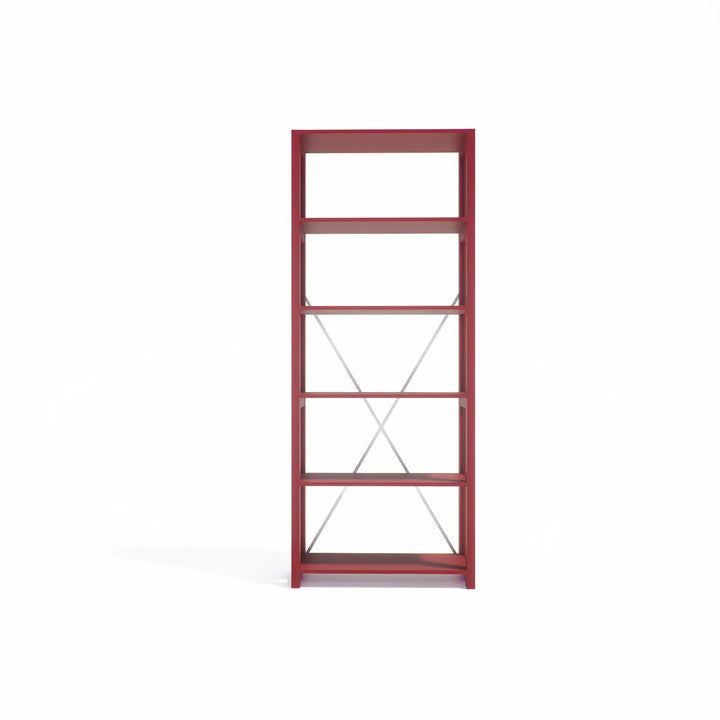
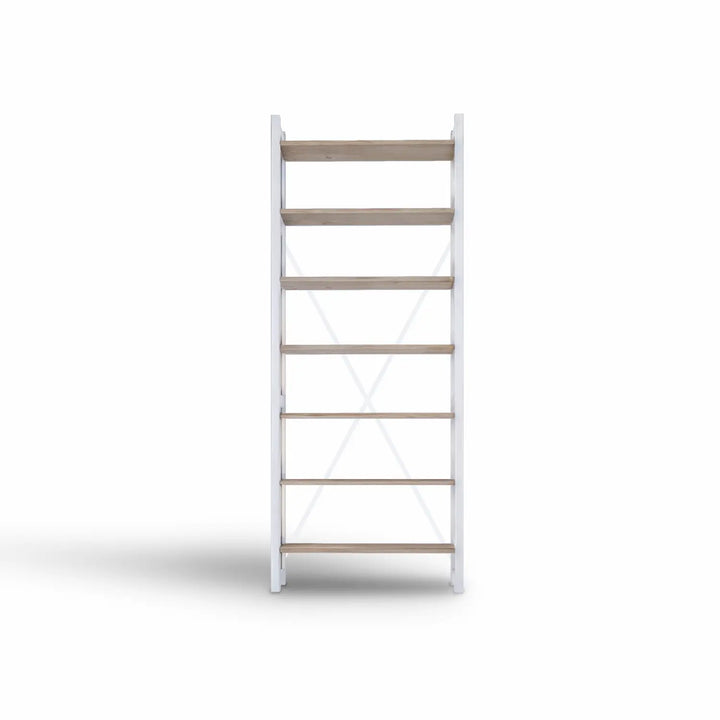
Sustainable living also means making smart use of existing items. Give old furniture a second life by refurbishing or reusing it. With a little creativity, upcycling is a breeze: a lick of paint (environmentally friendly, of course) can work wonders. If something breaks over the years, like a cupboard door, repair it instead of throwing the whole piece away. Can't manage that? Then you can give your cupboard a new purpose at Lundia Original. You can also buy individual parts from Lundia Original. Because the dimensions always remain the same, you can easily expand and modify your cupboard years later.
6. Timeless is the best trend
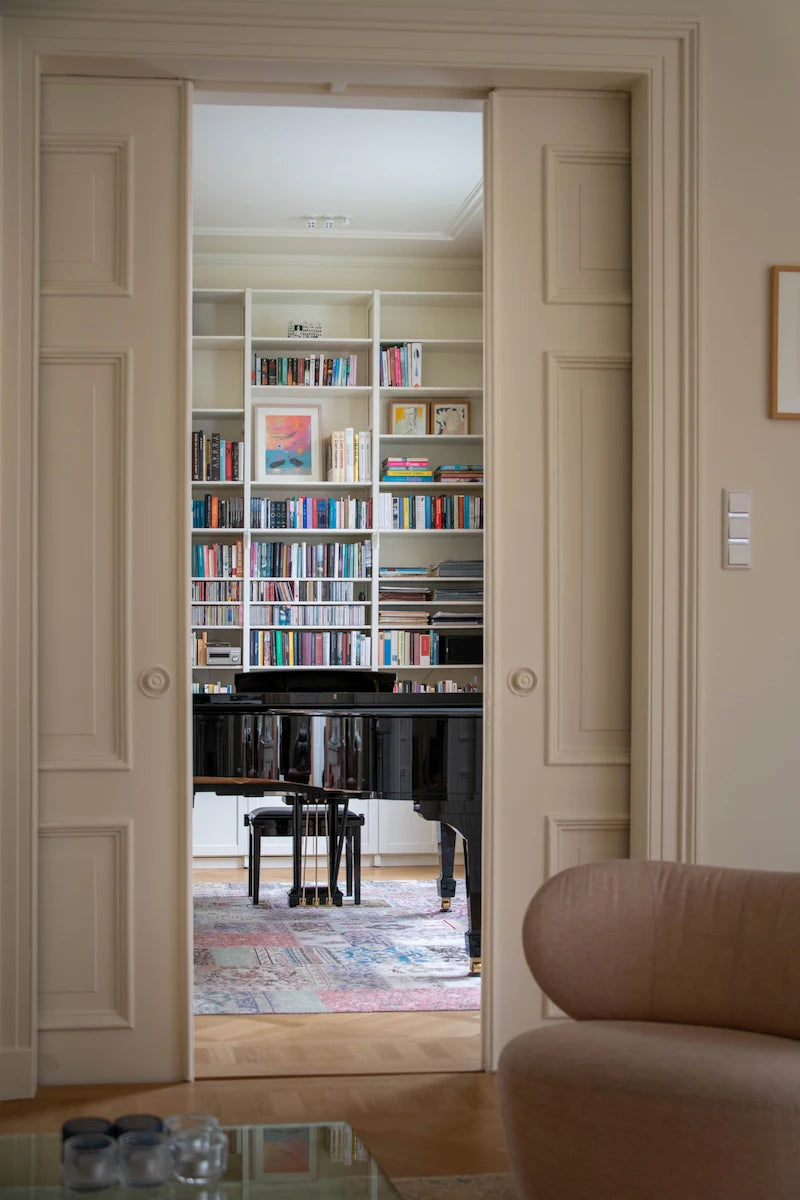
We're seeing more and more people choosing sustainable furniture. You could almost call it a sustainable interior trend. But the hallmark of a sustainable interior is precisely its timeless style. While fashion trends come and go, a timeless interior always remains stylish. How do you achieve that? Choose a few good design classics that you'll enjoy for years to come.
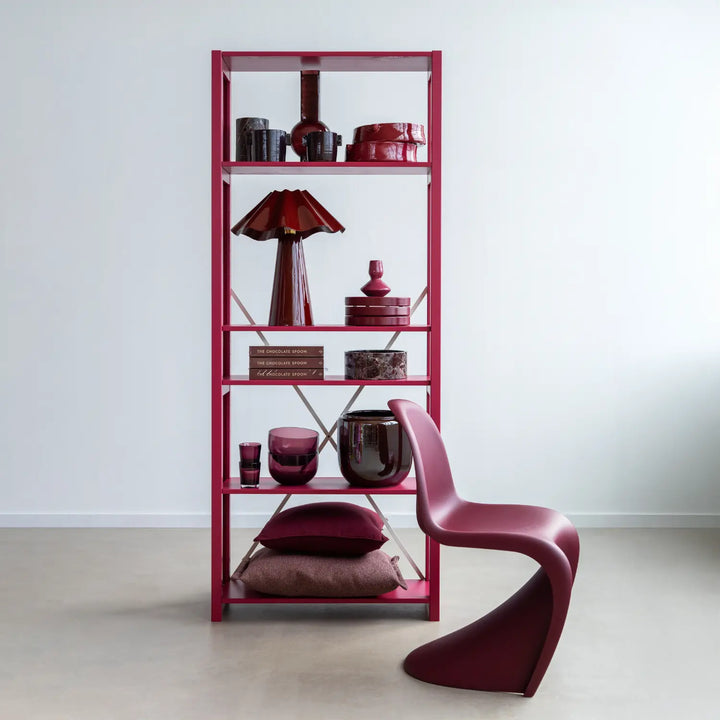
Choose neutral base colors like white, beige, gray, and earth tones. This creates a calm look that never goes out of style. Home accessories like pillows and vases easily add pops of color. This way, you won't have to change your decor every few years, and you'll always be up-to-date!
7. Give your interior your own twist
A timeless and sustainable interior is anything but boring. Especially not if you put this last tip into practice and give it a personal touch. For example, add character with a few beautiful photos of loved ones or special places you've visited. Give pride of place to a painting you received to commemorate a special occasion or that artwork inherited from a family member. Even in a sustainable interior, it's the little things that create atmosphere and meaning. And make your house a warm home.
With these tips, you can gradually make your interior more sustainable – without compromising style, comfort, or living enjoyment. Do you have any other sustainable interior design tips? Let us know!